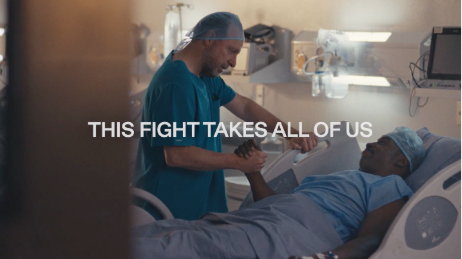
Fighting for a new era of cancer care
With over 2 decades of scientific innovation across oncology, Pfizer continues to drive the next wave of cancer breakthroughs. Approximately 40% of all our research and development investment is directed toward oncology.
We're dedicated to developing therapies in 5 key cancer types, including breast, genitourinary, hematologic, thoracic, and gastrointestinal cancers. This work spans 3 core modalities to attack cancer from multiple angles: small molecules, antibody-drug conjugates (ADCs), and immuno-oncology biologics, including bispecific antibodies.
Attacking cancer from multiple angles
Our research spans three main modalities where we have significant depth, world-class capabilities, and expertise.

Video_id: 6353406732112
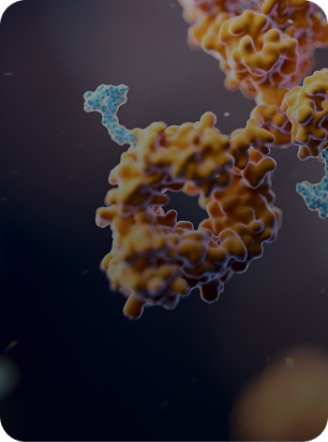
Antibody-drug conjugates
Antibody-drug conjugates bind to cancer cell proteins to deliver cytotoxic drugs directly to tumors.
Video_id: 6353405643112
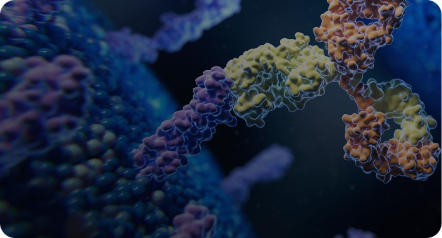
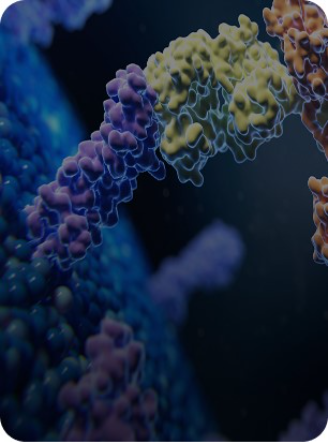
Bispecifics
Bispecifics grab both the intended target cancer cell and an immune cell, bringing them close enough together for the immune cell to destroy the cancer cell.
Video_id: 6353405160112
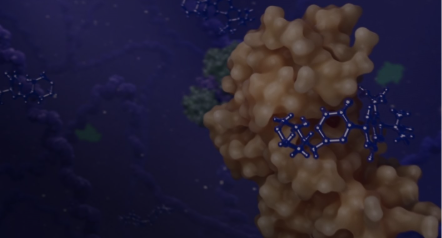
Small molecules
Small molecules get inside cancer cells and disrupt their growth and progression. With a legacy of transforming treatment for certain cancers, we are researching novel small molecule medicines that have the potential to overcome treatment resistance and other challenges.

Learn more about biomarker testing
Stay current with the latest oncology biomarker information and guidelines.
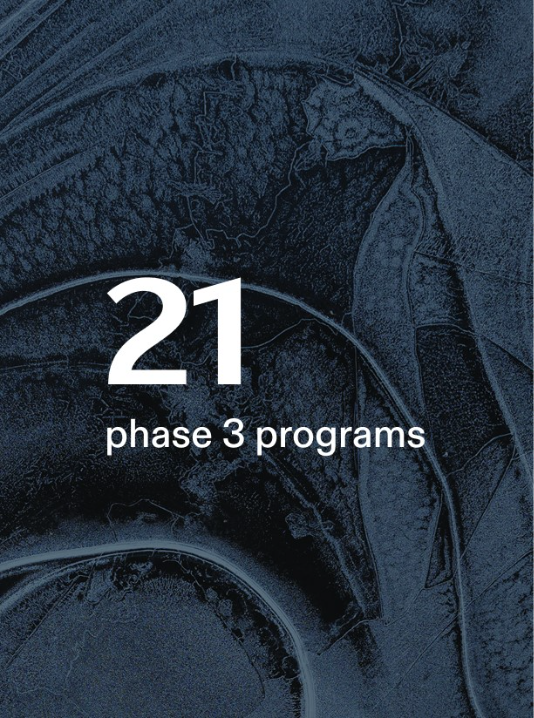
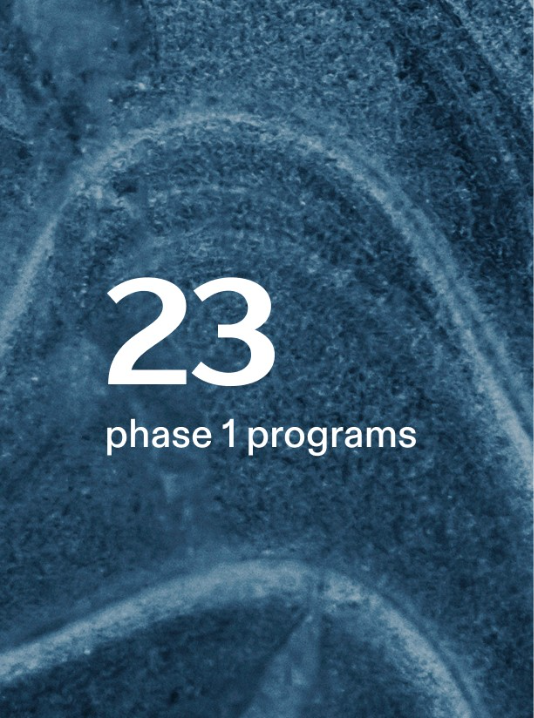
Looking into the future with 50+ programs in development1
We are working to develop new potential standards of care in some of the world's most common cancers, including breast, gastrointestinal, genitourinary, hematologic malignancies, and thoracic.






Learn about our 90+ oncology clinical trials worldwide1
Our clinical trials span nearly 4,000 study sites around the globe.
Real-world evidence
Conducting real-world data (RWD) analyses to generate real-world evidence (RWE) is a growing practice in the healthcare community. RWE provides helpful information that can complement clinical trial findings and may help fill knowledge gaps related to how a medication is used in real-world medical settings.
These studies can include de-identified patient-related data collected from various sources, including but not limited to, anonymized electronic medical records, claims databases, health surveys, and patient registries. The insights gleaned from these analyses may inform a greater understanding of a medicine’s real-world effectiveness, safety, and cost.


See how we support the cancer community
Pfizer seeks to meet the needs of the oncology community through advocacy partnerships, disease education, health literacy initiatives, and access/affordability programs.
Our advocacy partnerships
Pfizer partners with 80+ patient advocacy groups to elevate health equity, catalyze innovation, and empower patients.2

Our navigator resources
Pfizer provides resources to support clinicians and patient navigators as they help patients manage their diagnoses.

Our access programs
Pfizer offers financial assistance resources and patient support to patients on Pfizer medications.

Supporting your patients with key resources
Explore a range of resources—from helpful downloads to connecting with patient groups—that support patients on their journey.

Pfizer For All
Help your patients take the next step to understand and manage their health.

This Is Living With Cancer™
Provide resources and support for your patients to help navigate a cancer diagnosis.


Change The Odds™
Learn how Pfizer is supporting American Cancer Society (ACS) to bridge gaps in cancer care disparities.
References:
- Fighting for a new era of cancer care. Accessed April 24, 2026. https://cancer.pfizer.com/hcp
- Data on file. Pfizer Inc., New York, NY.